انتقل إلى المحتوى

Manuka Honey Explained: What Makes It Unique, How It’s Graded, and How to Choose

Manuka Honey Explained: What Makes It Unique, How It’s Graded, and How to Choose

Manuka honey is unlike any other honey in the world. Sourced exclusively from New Zealand, it has become globally recognised for its distinctive taste, limited supply, and trusted grading systems. But with so many numbers, labels, and claims in the market, understanding what truly matters can feel overwhelming.

This guide brings everything together in one place — explaining what Manuka honey is, how it’s graded, and how to choose the right jar for your lifestyle, all in a clear and transparent way.

What Is Manuka Honey?

Manuka honey is produced by bees that collect nectar from the flowers of the native New Zealand Manuka tree (Leptospermum scoparium). Unlike regular table honey, Manuka honey is defined by its botanical origin and the naturally occurring compounds that are unique to Manuka nectar.

Because the Manuka tree only flowers for a short period each year and grows predominantly in remote areas, genuine Manuka honey is naturally limited in supply.

Why New Zealand Manuka Honey Is So Highly Regarded

Manuka honey can only be produced in New Zealand, where the Manuka tree grows naturally. Factors such as climate, soil, and isolation contribute to the honey’s distinctive flavour and composition — often described as rich, earthy, and complex compared to lighter floral honeys.

To protect authenticity and consumer trust, New Zealand Manuka honey is subject to strict testing and classification standards.

How Manuka Honey Is Tested and Verified

Not all honey labelled “Manuka” meets the same standards. Genuine Manuka honey is independently tested to confirm it contains the naturally occurring markers associated with Manuka nectar and meets export and certification requirements.

Key indicators commonly assessed include:

  • Leptosperin – a naturally occurring compound found in Manuka nectar
  • DHA (Dihydroxyacetone) – a naturally occurring precursor found in nectar
  • MGO (Methylglyoxal) – formed naturally over time
  • HMF – used to assess freshness and handling

Together, these markers help verify that the honey is genuine, properly handled, and true to its origin.

Understanding Manuka Honey Grading Systems UMF™ and MGO

What Is UMF™?

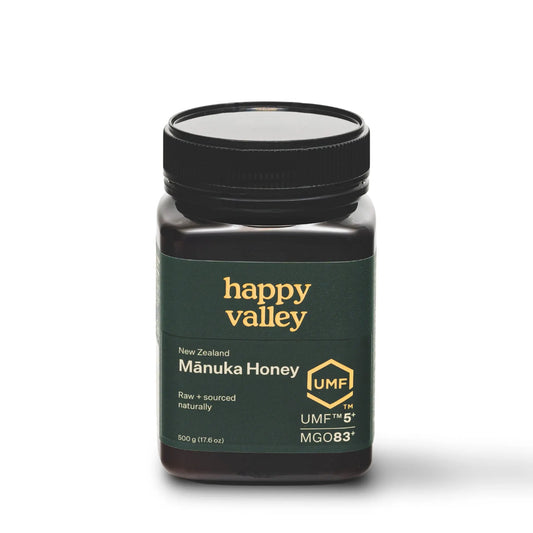
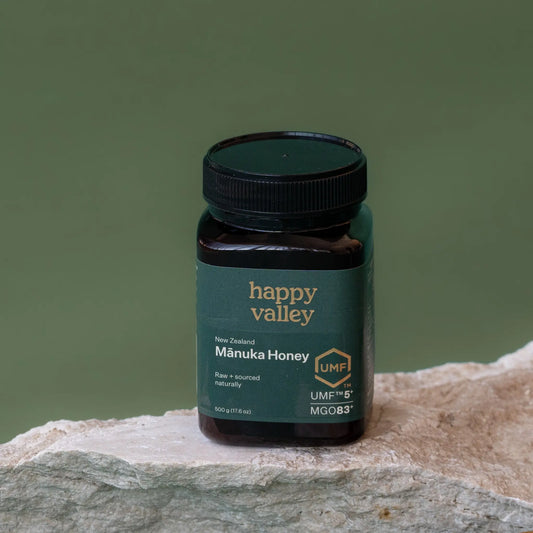
UMF™ (Unique Manuka Factor) is a trademarked certification system that measures multiple naturally occurring markers found in genuine Manuka honey. Products carrying the UMF™ mark have been independently tested and verified to meet strict standards.

What Is MGO?

MGO refers to the measurement of methylglyoxal in the honey, expressed as milligrams per kilogram. Some brands use MGO alone, while others display both UMF™ and MGO for clarity.

Both systems help consumers compare jars and understand how a particular batch has been graded.

What Do Manuka Honey Grades Mean?

Manuka honey grades reflect the concentration of naturally occurring Manuka markers — not “strength” in a
medical sense. Higher grades indicate higher concentrations, while lower grades offer a milder flavour and lighter profile.

Common UMF™ grades include:

  • UMF™ 5+ – Mild, smooth flavour for everyday enjoyment
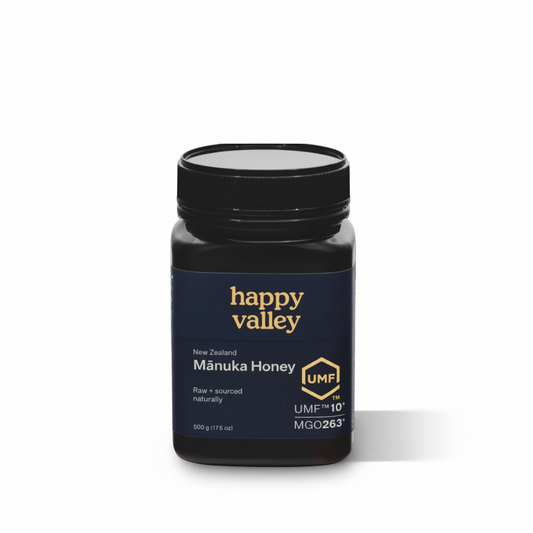
  • UMF™ 10+ – Balanced intensity with richer Manuka character
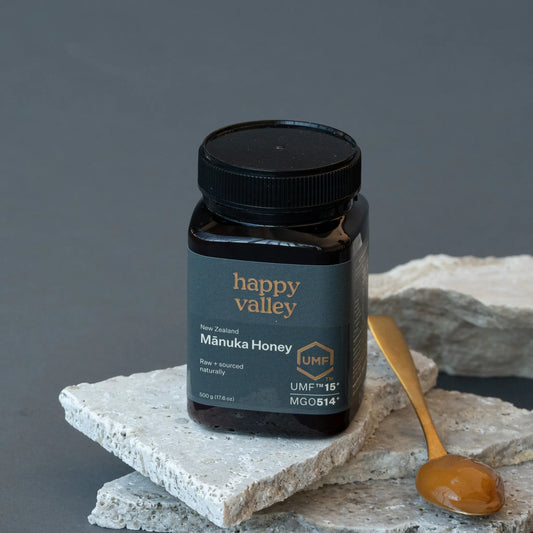
  • UMF™ 15+ – Bold, robust flavour for those who enjoy a stronger profile
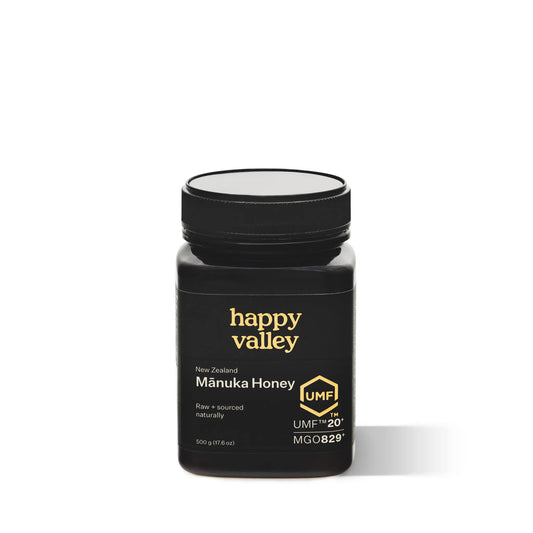
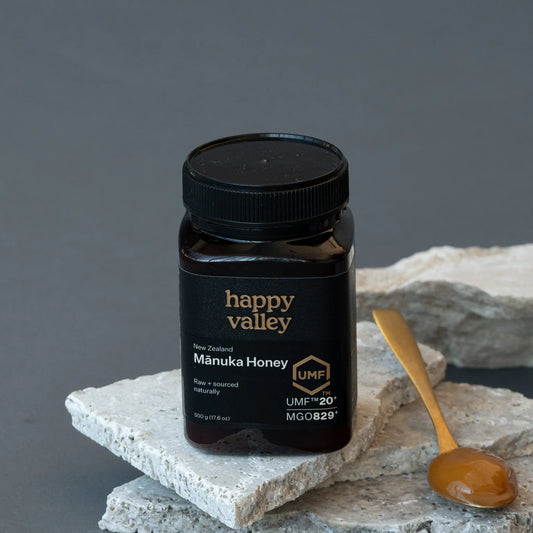
  • UMF™ 20+ – Premium grade with deeper flavour and limited availability
  • UMF™ 24+ and higher – Rare, highly concentrated Manuka honey produced in small quantities

Choosing a grade is a matter of taste, frequency of use, and personal preference — not simply choosing the highest number.

How to Choose the Right Manuka Honey for You

The best Manuka honey is the one you’ll enjoy and use regularly. Some people prefer a lighter grade for daily use, while others enjoy the bold taste and rarity of higher UMF™ jars for special occasions.

Things to consider when choosing:

Understanding the grading systems helps you choose confidently — without overcomplicating the decision.

Manuka Honey Formats: Jars vs Squeezy

While traditional jars remain popular, squeezy formats offer convenience and mess-free everyday use. Both formats contain the same graded Manuka honey — the choice comes down to how and where you enjoy it.

Behind the Label: Transparency You Can Trust

At Happy Valley, every jar of Manuka honey is traceable and independently tested. Clear labelling, batch information, and certification help ensure you know exactly what you’re buying.

We believe understanding your honey is just as important as enjoying it.

Explore More About Manuka Honey

This page is just the beginning. Dive deeper into specific topics below:

  • Manuka Honey 101: What the Numbers Really Mean (UMF™ & MGO Explained)
    Manuka Honey 101: What the Numbers Really Mean (UMF™ & MGO Explained)

    At Happy Valley, we believe understanding Manuka honey shouldn’t require a chemistry degree. This guide breaks down t...

    Read more →

  • Why Manuka Honey Has Been Traditionally Valued
    Why Manuka Honey Has Been Traditionally Valued

    Manuka honey has long been enjoyed as part of everyday life, valued for its distinctive origin, flavour, and limited ...

    Read more →

  • How to enjoy your UMF Manuka Honey for Natural Health
    كيفية الاستمتاع بعسل مانوكا UMF للحصول على صحة طبيعية

    Discover the many ways to enjoy and care for your Mānuka honey. From soothing remedies and natural sweetening ...

    Read more →

  • From Remote NZ Bush to Your Table: The Journey of New Zealand Manuka Honey
    From Remote NZ Bush to Your Table: The Journey of New Zealand Manuka Honey

    Follow the journey of Manuka honey from the remote New Zealand bush to your table. Discover how 60 years of beekeepin...

    Read more →

Final Thoughts

Manuka honey doesn’t need hype to be special. Its uniqueness lies in its origin, limited supply, and the systems in place to protect its authenticity. By understanding what the labels mean and how grading works, you can choose a Manuka honey that suits your taste, lifestyle, and values — with confidence in every jar.